
What Does a Good DJ Actually Do?
We explore the role of the DJ in 2025 and what they do…

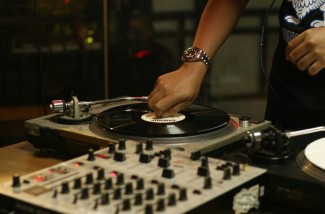

Anyone who has been on the dance floor of a nightclub, listened to the radio or attended a music festival will have come into contact with a DJ.
Many DJs are different in what and where they play but are often united by having a deep understanding of how to control atmosphere, create rhythm and tell stories in a continuous flow of sound with their mix.
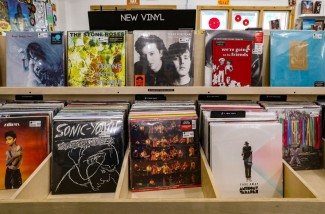
The big question surrounding DJs is their role in the digital age. Traditionally, the DJ was known for their musical tastes, dedication to finding and sharing the next track and lugging their vinyl collections from gig to gig to create a whole set and establish a vibe between audience and their music.
However, many years later with the advent of new, affordable and digital equipment and technologies, DJing has changed. What do DJs do that playlists don't? And can anyone do it?
Ahead of the launch of our one-year Cert HE DJ course, our blog explores the job of the DJ beyond the hype, how this has evolved and the skills they need in the digital age - and ultimately, why there's more to DJing in the mix than simply playing music…
The role of the DJ

Originally, when first stepping into the limelight, the DJ's role was to select different songs.
Back in the thirties when the concept of the DJ was first used by American journalist Walter Winchell, playing music was what it was all about and, of course, music is still the essential element in what a DJ actually does when creating a mix at a party, nightclub or festival.
However, there's much more to this job than merely pressing 'play' or putting a piece of vinyl on a turntable. Being a DJ can involve years of being a music fan and searching for the one song that could lift a party.
Being able to take listeners on an amazing musical journey can take plenty of practice both in the DJ booth and at home with headphones and turntables."
DJs, like many musicians and artists, are now expected to use different tools as part of their job, so be adept at storytelling too, not only when they create sets but also online on social media profiles like Facebook or YouTube. They need to learn how to use their equipment to establish their own digital presence to market themselves and their skills in creating musical fun from the stage or in the club.
Different DJs

It's important to remember that there are different kinds of DJs with different roles.
From wedding and mobile DJs to broadcasting online, the DJ now inhabits various paces beyond the dance floor and nightclub they are traditionally associated with.
DJs can appear online via music streaming platforms and how they present themselves digitally and online can be an important part of establishing profile.
DJs are not always music producers
Many DJs do not produce their own tracks and instead focus solely on curating and mixing tracks created by other producers at events. A common misconception is that all DJs make their own music but this does not apply to all.
There is no hard and fast rule surrounding this. Some DJs are music producers, promote parties and run their own record label too. Certain DJs fill their sets with their own productions, label and remixes to showcase their sound.
The majority of DJs avoid using pre-programmed playlists and instead utilise their ability to read and respond to the energy in the room to guide what they play. Ultimately, every DJ is different, depending on what they are interested in and the services they aim to satisfy."
Top features in the DJ tool kit
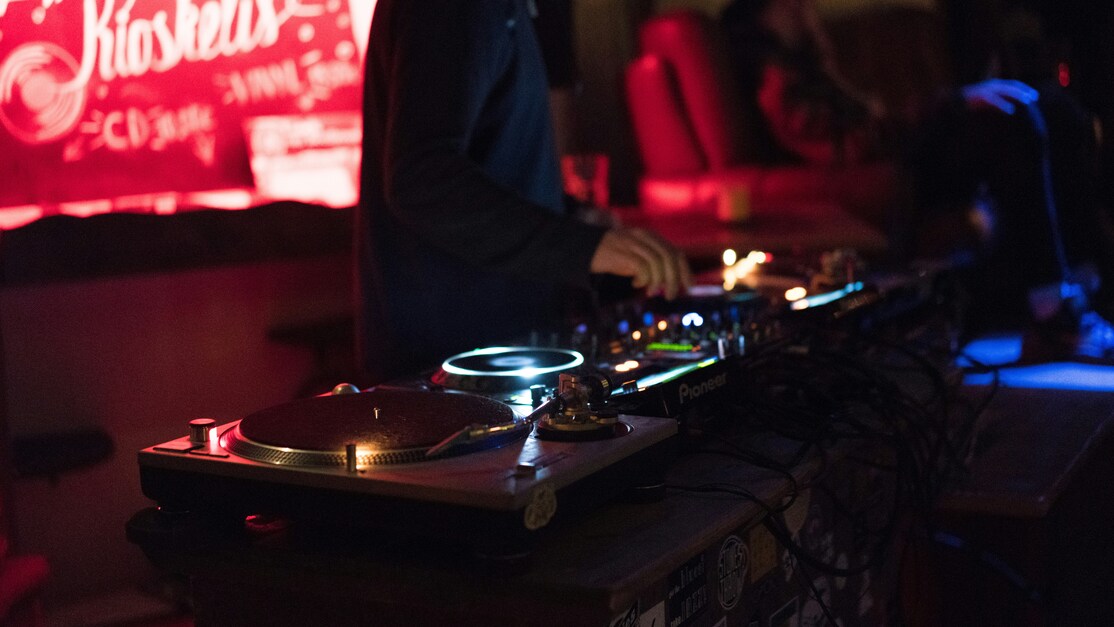
From understanding how to bring two different songs together by beat matching via being au fait with the flow of a night and creating promotional videos, the DJ's role in today's cultural landscape is varied. Here are some of the essential skills and things they need to remember as part of their DJ toolkit.
Play music to showcase their record collection - and expose the audience to new music
A good DJ is constantly discovering new music and keeping their library fresh. Being a fan is good way of doing this - and a wide knowledge of music across all styles and genres can be great if you're looking to play different gigs.
You have to assume the role of musical explorer, keen to share any discoveries with listeners. Of course, anyone attending a party might want to hear tracks they are familiar with on a night out but many are also keen to find new fresh finds from across genres too.
Understanding the crowd and venue
A good DJ knows how to cater to different audiences and venues, balancing their personal musical preferences with what the crowd will enjoy. The most astute selectors will have an inherent connection with a room and ability to understand cue points such as dancing, energy levels, and expressions to gauge the crowd's mood and preferences.
A party is nothing without a soundtrack that can inject a room with energy and vibe and it is down to the DJ to watch and listen out for this, then respond with the appropriate tunes.
Creating a cohesive set
This involves choosing tracks that flow well together, building energy, and taking the audience on a journey through different moods and tempos.
Choosing the right record at the right time is at the core of the DJ. Approach each performance differently rather than following the same method. If you are warming up a club and playing from the beginning, then select suitable music with a certain tempo - ideally, you have to build up your room and audience. If you are the headliner, playing at peak time, then you have more opportunity to play uptempo and tracks with more energy.
Beat matching and other technical skills
There's more to DJing than just putting a record on a deck or loading up your USB, then pressing play. Depending on the type of sound or style, there are different technical skills DJs can use.
DJs are experts at beat matching and blending songs known as 'mixing'. Proper beat-matching makes two different songs sound like they're dancing to the same beat and can create something new from two tracks. To create seamless transitions, DJs adjust the volume or gain of songs ensuring they sound balanced during mixing.
A good DJ ensures people are entertained
Amidst all of the social media platforms and the music, many people want to have fun when they experience a DJ, whether that be in a nightclub or listening to them broadcast online. Musical selections can be an important factor in this - so when playing records in a club, it makes sense to pack a musical bag which not only features fresh and exciting new releases but some tried and tested bangers too. If the night is losing momentum and the dance floor flagging, then dropping some classics can really help in injecting your night with new energy and momentum. Ultimately, the role of the DJ is to serve the room and the crowd, not please themselves. Good luck to all the DJs out there!
Move the crowd, shape the sound
If you dream of dominating the booth, dropping tracks that move the crowd, and producing beats that make people remember your name, our one-year Cert HE DJ & Electronic Music Production course will set you up for success. You’ll learn from experienced DJs, producers and tutors, exploring not only the art of mixing, beatmatching, scratching, and live performance, but also music production, business, branding and entrepreneurial skills. Along the way, you’ll gain access to professional DJ booths, state-of-the-art studios, industry-standard gear, and exclusive masterclasses, while building a network of collaborators, mentors and industry contacts that can take your music further.
Contact the team on 020 7328 0222 or via email enquiries@icmp.ac.uk and start your music career today.
Find out more
If you dream of dominating the booth, dropping tracks that move the crowd, and producing beats that make people remember your name, our one-year Cert HE DJ & Electronic Music Production course will set you up for success. You’ll learn from experienced DJs, producers and tutors, exploring not only the art of mixing, beatmatching, scratching, and live performance, but also music production, business, branding and entrepreneurial skills. Along the way, you’ll gain access to professional DJ booths, state-of-the-art studios, industry-standard gear, and exclusive masterclasses, while building a network of collaborators, mentors and industry contacts that can take your music further.
Contact the team on 020 7328 0222 or via email enquiries@icmp.ac.uk and start your music career today.