
Interview | Linett Kamala
ICMP tutor, events manager and one of the architects of Notting Hill Carnival, Linett Kamala shares the inside track on her musical journey...
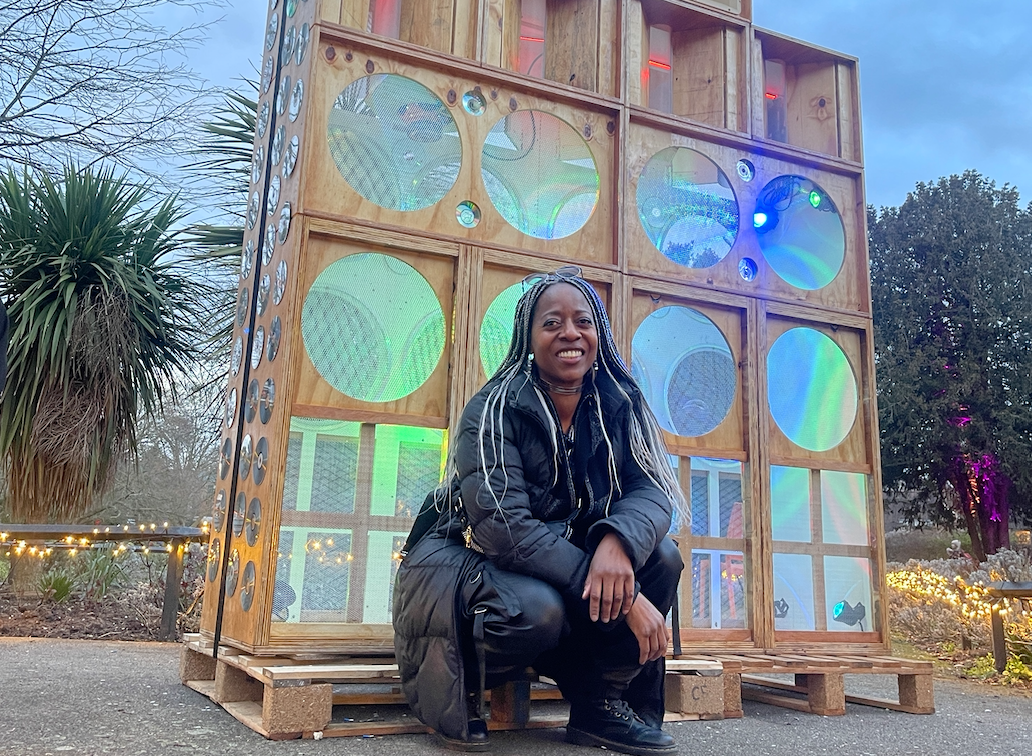
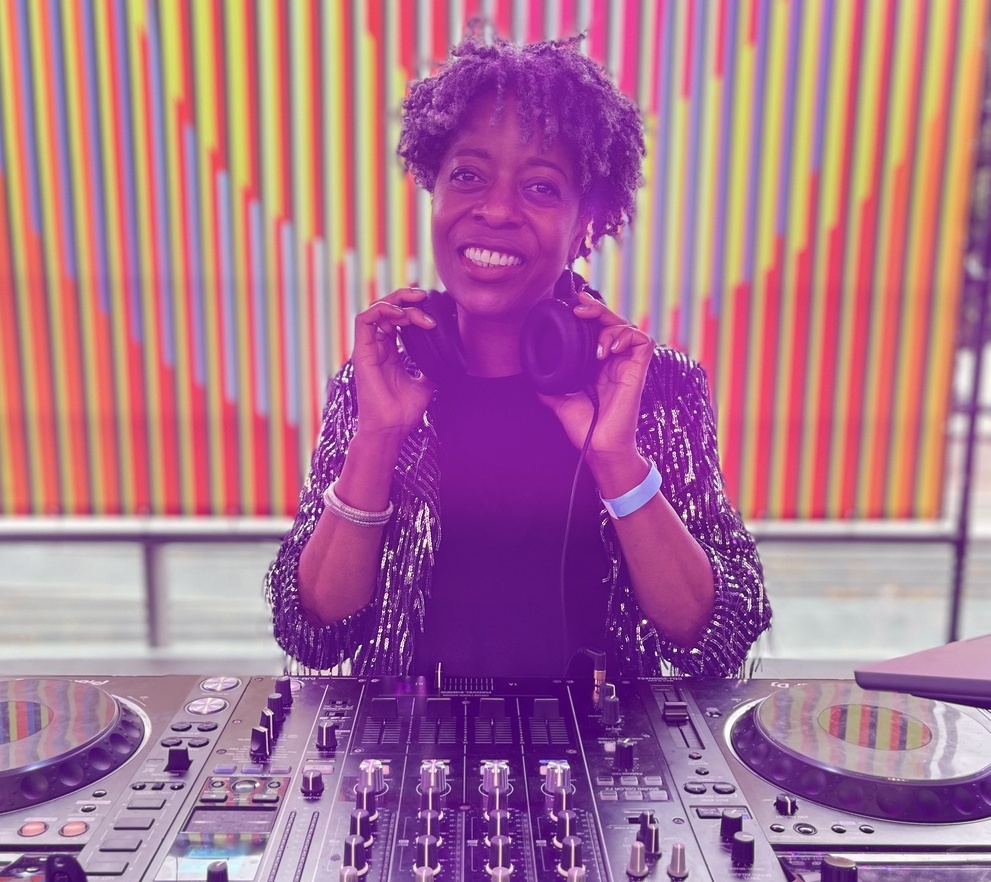
As an ICMP tutor, DJ, advocate for gender equality in the music industry alongside her work with Notting Hill Carnival, Linett Kamala is a key player within London's vibrant music scene.
She's also a tutor on ICMP's BA in Live Event and Festival Management, drawing on her years of experience in the events industry to help share knowledge with our students around technology, sustainability and other challenges and opportunities facing the festival sector.
With 2025 marking 40 years of DJing, Linett has also been behind the rebirth of the free South Kilburn CarniVale alongside exploring the relationship between sound and wellness.
We recently caught up with Linett to hear about her industry experiences, different projects and beyond…
How has the live music sector evolved since you first started putting on your own events?
In the eighties, you could just string up a sound system or put a PA in an empty warehouse/house and start playing music.
I did a lot of this back then, it was all very DIY. That energy persists but there are a lot of extra measures which have come in around health and safety to protect audiences and keep people safe.
In terms of challenges, financing events is a big one as VAT is huge. I run my own business, and it's really tough as these costs have to be found upfront for infrastructure to make events happen.
In London, there is also a tension between licensing and those living in urban areas with places where we would have previously played music being knocked down. Losing venues is a big and ongoing issue.
Do you think there's still an appetite for live events?
Yes, as humans we love to gather and it goes beyond music, it's about who we are, how we make sense of the world, heal, celebrate, there's an element of ceremony and ritual with festivals that is inherent in all of us.
Singing your favourite songs with hundreds of others - or whether it be enjoying a new live music experience with others - that's beautiful.
I'm also seeing some people wanting to go back to having 'in real life' experiences and move off social media. I think there's a shift towards a more conscious focus on wellbeing.
Some young people aren't using pubs in the same way but they do want to gather and some of them are on a chilled vibe - that's perfect for me as I'm getting older!"
What do you advise young people who want to succeed in live events?
I'm all about longevity, you have to live and breathe this to endure. You're the one that is there first setting up, the one at the end taking stuff down - and we need more of these kinds of people with this mindset. It involves grit and resilience.
What I'm hoping with my students and the young people I work with is that they are going to be equipped with the ability to solve problems, to innovate and to realise that there is such a rich variety of events for them to get stuck into.
How does it feel to be marking 40 years of DJing in 2025?
It's funny, life goes in a circle - vinyl, tapes, CDs, these other formats, USBs, live streaming, now back at vinyl. It was always a luxury but when I look back on some of my records, I can't believe I bought them when I was so young. I have a copy of 'Candy Girl' which I bought back in the early eighties and Grandmaster Flash. I was spending my money on records as opposed to sweets.
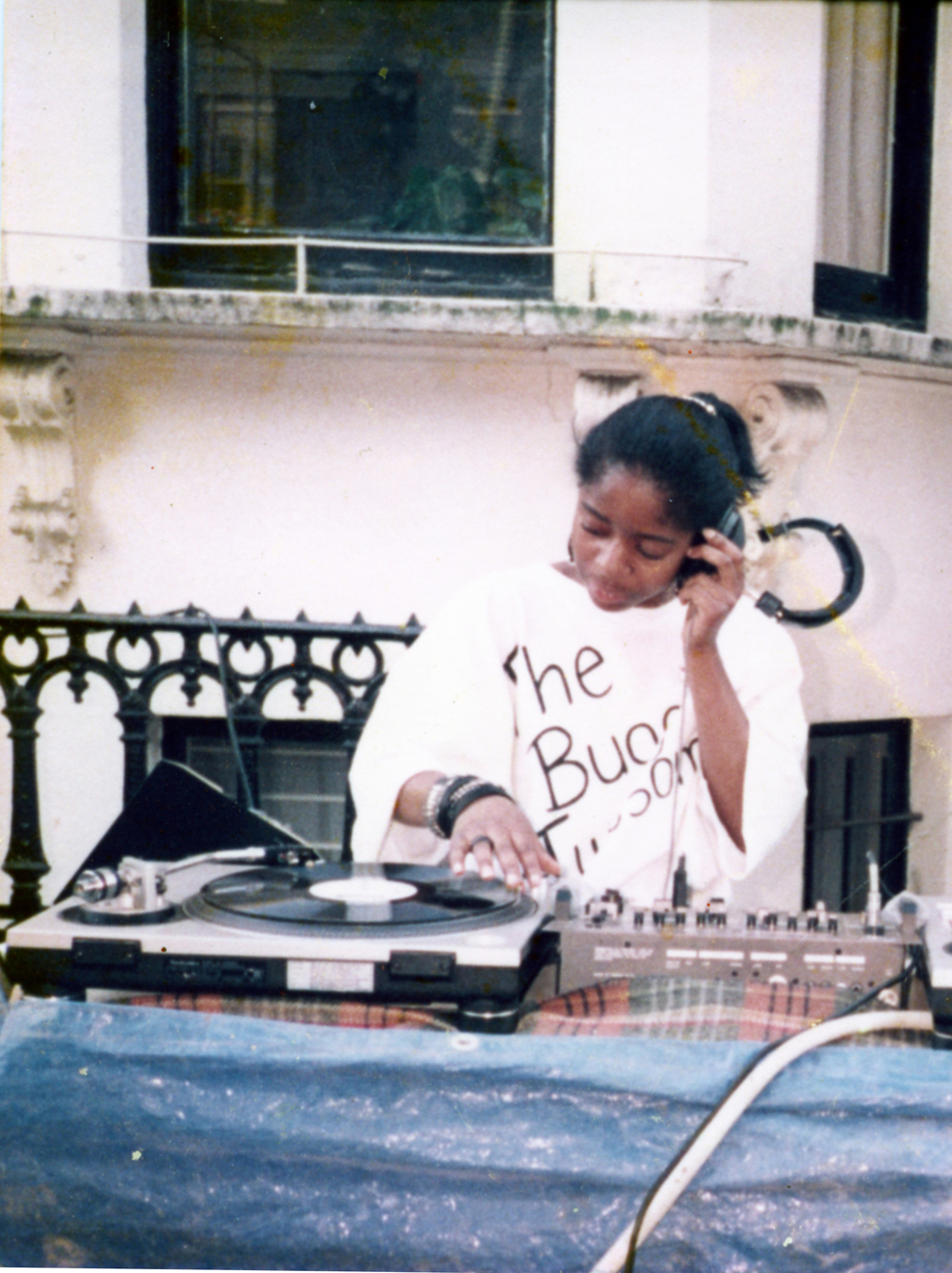
I'm also pleased that I've been able to come out to talk about being the first female to DJ at Notting Hill Carnival. I only started talking about it as I was encouraged to do so for the sake of visibility and I'm pleased how I've been able to support and amplify the achievements of more women.
How did you start your musical journey?
I've been handling records since I was seven or eight as my dad used to be in a band as a guitarist. I would help record songs, so I would put the needle on the record, write down the lyrics, lift up the needle and note down the lyrics in a book for my dad.
Then in the eighties, we started hearing electronic music, synths, 808 bass, I will never forget how I felt when I first heard it. There was a mixture of go-go, electric and funk music. Being born in Harlesden, then moving to Kensal Rise, music was everywhere back then. It was the unofficial capital of reggae and sound systems outside of Jamaica.
I was immersed in that, hip hop was born out of that culture, the call and response and block parties. I noticed the decks and thought I wanted to do that and my bestie at the time, her brother was playing as a DJ. I asked if I could be part of it as I was already buying music and practising ahead of Notting Hill Carnival.
DJing is really accessible now, there are so many people into it - back then, it just wasn't the same - that's what blows my mind about how I got involved."
How do you feel about Notting Hill Carnival?
It's constantly under threat, it's a very fragile thing due to the challenges of finances, it's so successful, so many people want to come - for me, because it grew organically out of a community's response to something so awful, that story [of the tragic killing of Kelso Cochrane] needs to be remembered as to why we do come together.
I'm looking at that as a model with the South Kilburn Carnival. This year was our fifth edition. I'm proud, via my company LIN KAM ART, to have brought back this annual festival to my community.
Producing a community festival like this covers all of these elements of the natural world and built environments alongside all of the not-so-fun stuff that allowed it to go ahead. This is what I teach the students about, so legislation, risk management, seeking funding, writing bids, sponsorship and partnerships - this essential work happens all year around.
It's so important that we keep going with this work. I think events like carnivals and live music festivals are really important to give people and communities hope.
Connect with Linett:
Find out more | @linett_kamala | @lin_kam_art
Photo credits | LIN KAM ART
Take the first steps in your music career with ICMP
We've been developing and delivering contemporary music education for over 40 years – longer than any other music school in the UK. With a proven track-record, countless music industry connections and unrivalled access to facilities, it's easy to see why hundreds of students choose ICMP each year.
To completely immerse yourself in your music career, chat with our friendly Admissions Team via email enquiries@icmp.ac.uk or give them a call on 020 7328 0222.
Find your course
We've been developing and delivering contemporary music education for over 40 years – longer than any other music school in the UK. With a proven track-record, countless music industry connections and unrivalled access to facilities, it's easy to see why hundreds of students choose ICMP each year.
To completely immerse yourself in your music career, chat with our friendly Admissions Team via email enquiries@icmp.ac.uk or give them a call on 020 7328 0222.