
Interview | Stephanie Philips
Acclaimed author, journalist and Long Play Sessions guest shares the stories behind her 2026 book, 'We Were Here: A History of Black People and Alternative Music’…
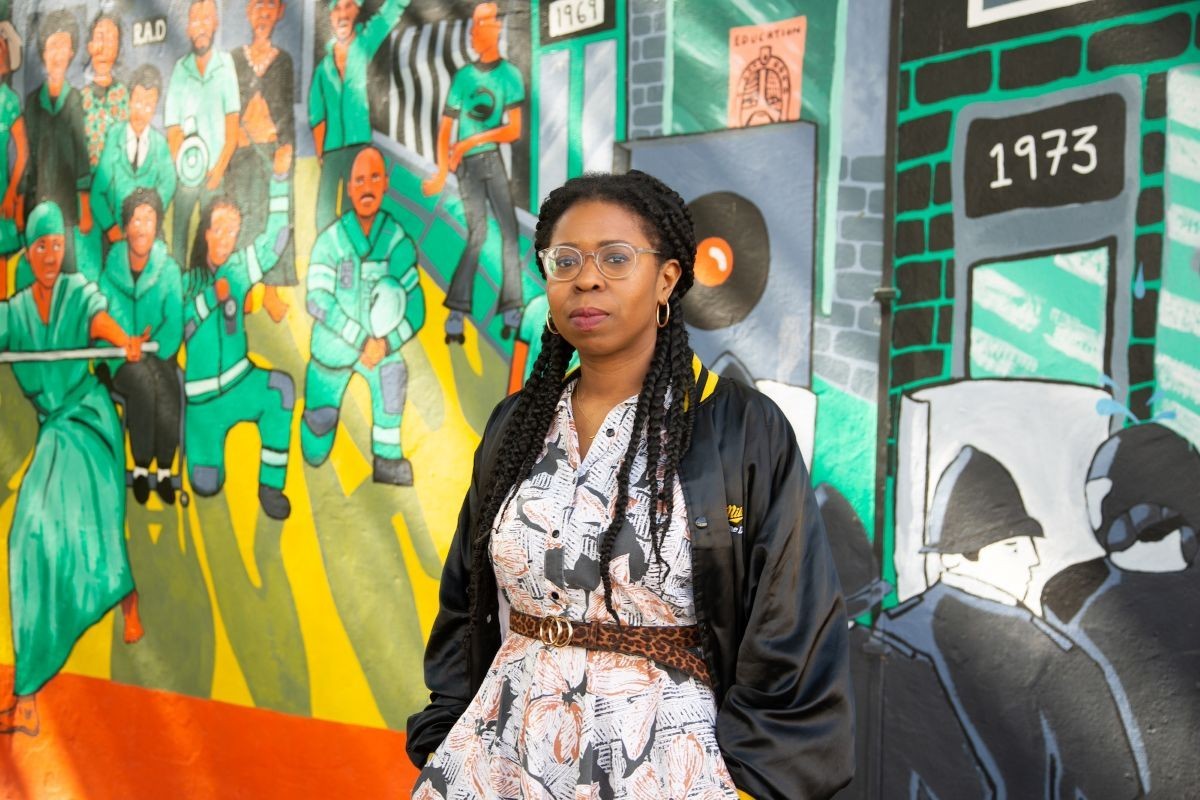

Stephanie Philips is a music journalist and musician who, when not writing for the Guardian or Independent, can be found performing and fronting the Black feminist punk band Big Joanie.
Over the course of two studio albums, the group has carved itself a formidable reputation, playing festivals, headline tours and supporting contemporary punk icons including Bikini Kill and Sleater-Kinney.
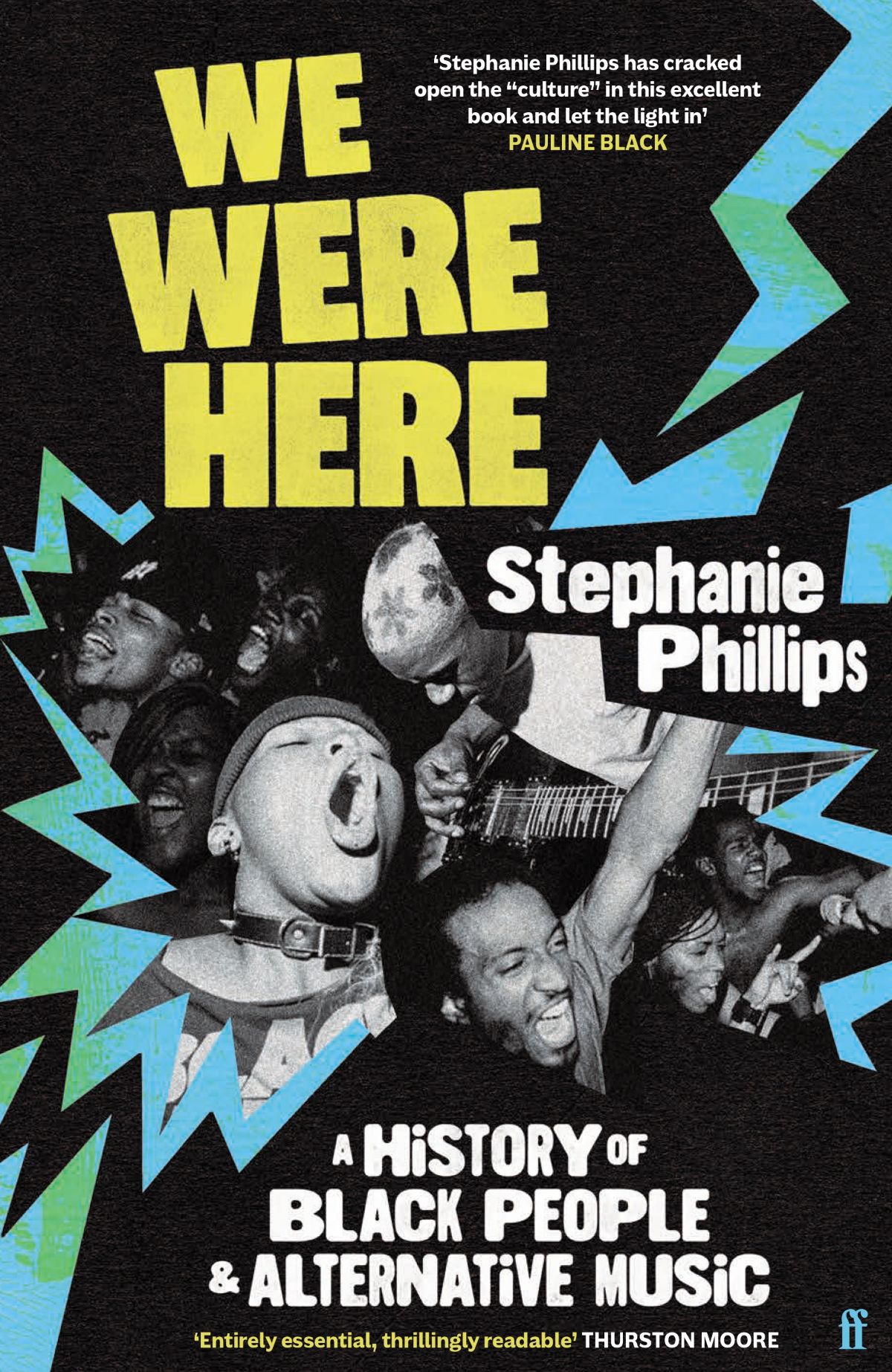
Steph is part of the collective behind Decolonise Fest, a festival celebrating punks of colour and author of two books, ‘Why Solange Matters’, published by Faber, and 2026's ‘We Were Here: A History of Black People and Alternative Music’. This latest work explores the role of Black artists and figures in shaping rock'n'roll and alternative music from the 1930s to the present and has been one of the most acclaimed music books of the year.
We’ve been lucky enough to welcome Steph to ICMP to host and speak as part of The Long Play Sessions, a London event series featuring music writers, authors, and musicians in live conversations, readings, and Q&As about books and music culture. More events are expected this year including an all-dayer with indie publisher White Rabbit, Christmas Down the Rabbit Hole, on Saturday 5th December.
We caught up with Steph to quiz her about ‘We Were Here’, her time in Big Joanie, songwriting and more…
Where did the idea for the latest book come from?
I have been writing sporadically about people of colour and Black people in the punk scene for a long time, but it always felt like there wasn't enough, there needed to be more of an analysis and focus. My writing agent, Zoe Ross, asked me about my next book idea, I pitched these essays I’d been working on about Black artists and she asked me to write a proposal.
As I was researching the proposal and book idea, I realised there wasn't really anything similar and hadn't been anything like it for a while. It felt like there was definitely a need and a space to look at things from a different perspective and focus on the Black alternative rock legacy.
How long did it take to put it together?
It takes a long time, I started working on the book idea while we were recording the last Big Joanie album, so I guess that would have been around 2002. So it took a good two-three years to write.
Then there was a long editing process, it took a while to come together. But I think that's the reality of making a book that covers such a vast span of history.
Are there any stories you uncovered that you didn't know before or that you feel really standout?
There were loads of artists when I was writing and working on the book for so long, there were a lot of bands I'd never heard of before.
I met a friend for dinner at her house and she had another friend come over and they bought this really cool seven-inch. On the cover, it was a Black woman, and it turned out to be a punk band called the Bona Rays. They were around during the first wave of punk but they weren't able to actually able to find anyone to support them or release their record. It was only in the pandemic that they were able to get their music out there.
The Bona Rays are one of many really interesting stories, but just a reminder that there's so much history and there's a lot of artists, music and histories that fall by the wayside."
How did the book themes play into your experiences with Big Joanie?
I guess I had my own experiences that I could bring into the book, being in a Black punk band and a knowledge of how things are in the music industry and different music scenes. I definitely could relate to a lot of the stories of people saying how they would get a lot of praise and celebration from certain areas of their punk scene or the press for their music. But there wasn't really that kind of secondary support, whether it's from labels or backing from established areas of the music industry.
It really reaffirmed that there's definitely this glass ceiling that's very hard to break when it comes to getting in front of a wider audience for artists. Particularly for Black artists who don't conform to ideas of what people think Black acts should be and how the music they make should sound.
I really loved the book on Solange. How has your relationship with Solange evolved since then?
I wanted to write the book on Solange as 'A Seat At The Table' was such a pivotal moment for me and my friends, it meant so much to us. And I just thought it was quite interesting, how people relate to it and bring in their own communities to the album. I was a big fan of Destiny's Child and Beyonce growing up. There are these trails of Solange writing songs for them or being a backing dancer.
Then there was the 'Sol-Angel and the Hadley St. Dreams' album, then the 'True' EP where I was fully introduced to her as an artist.
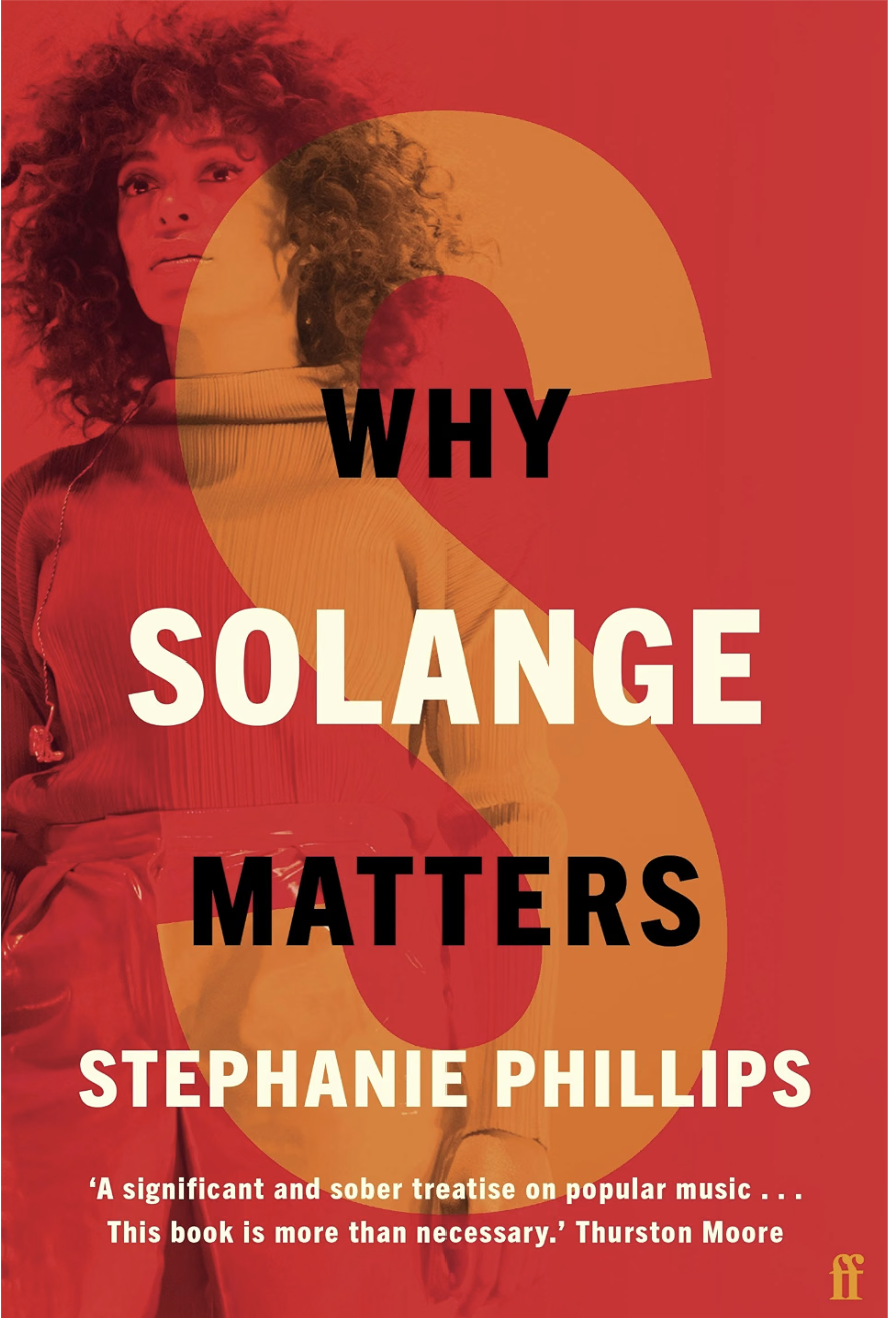
I always really loved her approach to just doing what she wanted and always trying new things. It’s really inspiring to see someone constantly experimenting and diving the depths of what they could do to follow this unconventional path. Even though I listened to those albums over and over again, maybe a thousand and one times, I still can hear them now and get a lot out of them.
How have The Long Play Sessions been? You’ve hosted and talked at some of these events, how has it been to be involved?
It’s been really fun. It was really nice to do those kinds of conversations and talks, I really enjoyed being in front of those audiences.
I think the talk that we did at ICMP was all women or majority women which was interesting because I don't think the other talks were like that. It's always a really nice space to meet with other music nerds and music fans and go deep on these topics, music and writing.
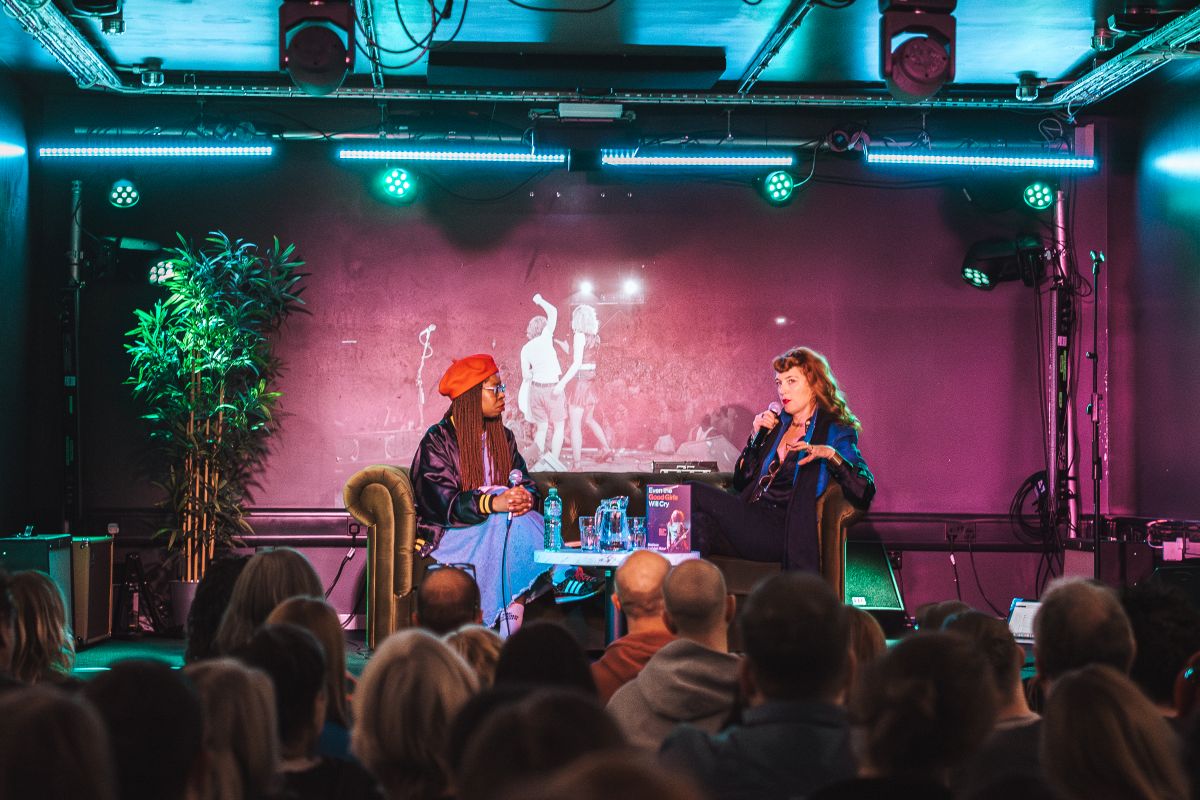
How was meeting Melissa Auf Der Maur?
That was amazing. It was really surreal, particularly as a teenage fan. I definitely remember I listened to Hole first before properly listening to Nirvana. For some reason, my music tastes would jump onto one band for another and be introduced to another band, but I always missed out the men in that scene.
So my nineties music knowledge was all women. And then I had to kind of fill in the blanks with the men. I think Melissa was always an intriguing character as she seemed like someone who knew her own self in a world that was so wildly chaotic.
It feels like an impossible feat, but she did it, she came in there with her own ideas of herself and didn't really buckle to them too much, even though she was this very young woman having to figure out how to play these songs and be on stage at Reading Festival in front of thousands of people.
What's happening with Big Joanie at the moment?
We have more songs to unveil, it's just been delayed because of work, the book and different things like that. Being in a band now is about arranging things around your day jobs. We have enough songs for an album and we've got everything together. But I'm really excited about the new songs and this new version of Big Joanie. It's just really what it's always meant to be about, which is kind of a safe space for Black women and women of colour.
Big Joanie has always felt like this really fun girl gang and that's something about the band that I'm really enjoying."
How'd you go about the songwriting?
We give ourselves the space to kind of create, write a song as far as we can in our own bedrooms until it's something we want to bring to the rest of the band. Then we do what we can to Big Joanie-ify it ourselves when we're working as a group. It’s exciting to be in the band at the moment!
Find out more:
Website | Portfolio | Instagram | Substack | Buy 'We Were Here'
Take the first steps in your music career with ICMP
We've been developing and delivering contemporary music education for over 40 years – longer than any other music school in the UK. With a proven track-record, countless music industry connections and unrivalled access to facilities, it's easy to see why hundreds of students choose ICMP each year.
To completely immerse yourself in your music career, chat with our friendly Admissions Team via email enquiries@icmp.ac.uk or give them a call on 020 7328 0222.
Find your course
We've been developing and delivering contemporary music education for over 40 years – longer than any other music school in the UK. With a proven track-record, countless music industry connections and unrivalled access to facilities, it's easy to see why hundreds of students choose ICMP each year.
To completely immerse yourself in your music career, chat with our friendly Admissions Team via email enquiries@icmp.ac.uk or give them a call on 020 7328 0222.