

Bedroom DJ to Club Night - How to Get your First Gig
Discoverr more about the path of the DJ from practising to performing…


The role of the DJ is to share music with others and turn listeners and dancers on to brilliant sounds.
It goes without saying then that putting yourself out there, either through playing at public events, nightclubs or festivals, is an important first step in a DJ's career.
But how do you make the leap from bedroom to your first DJ gig?
It doesn't come straight away and instead can take some time to hone the skills, various styles and source opportunities to find a paid gig or play at local events.
Of course, studying a degree like our new one year Cert HE course will give you a fantastic head start in learning the skills and techniques you need to progress.
In our blog, we trace the different steps involved in moving out of the bedroom as a DJ, how to kick start this musical journey and some advice on making the most of any opportunities you can create to attract a large following.
DJ gigs
Develop your own style
What makes you stand out as a DJ? Maybe it's the musical selection or genre you go for? Or perhaps you have a certain style that you want to pursue? Some DJs focus on one sound, whether that be dubstep, trap or disco and house. Others can make their eclectic approach to what they play their unique selling point.
Just as with other artists, it can help to define your personality as a DJ while you start out. There's clearly a huge amount of tracks out there to share with others and focusing on a sound or style can help hone what you play. At the same time, taking risks can also get you noticed when playing in a public setting. Usually, you will have some records that will always work in your bag and get you out of trouble if the dancefloor is looking sparse. As long as you have these tracks in your armoury, then it's always possible to test your crowd with a curveball or unfamiliar piece of music.
Master your equipment
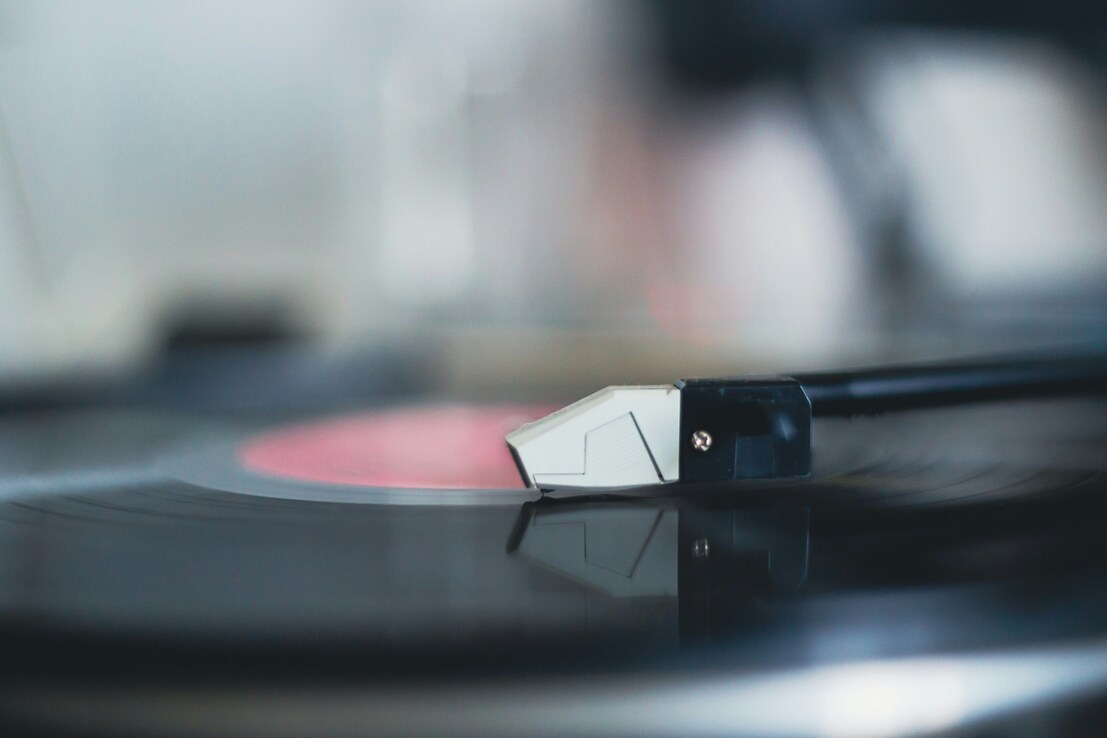
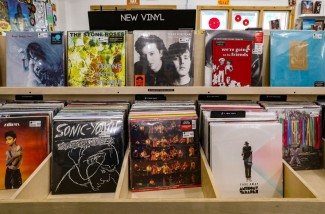
While there's lots of music to work through, there are also different pieces of hardware and software that DJs use. Some prefer to approach DJing in the traditional sense, so tracking down vinyl to play on two turntables with a mixer. There are plenty of shops stocking records and much has been made in recent years of the vinyl revival with the UK spending more on recorded music than ever before in 2024.
A cheaper approach to DJing can be to purchase a DJ controller, then DJ with digital music using software on a laptop. This can be a relatively inexpensive and effective way to begin DJing. Other options include getting to grips with CDJs and using USBs or thumb drives to carry a digital library which is a space-saving move.
Some options include:
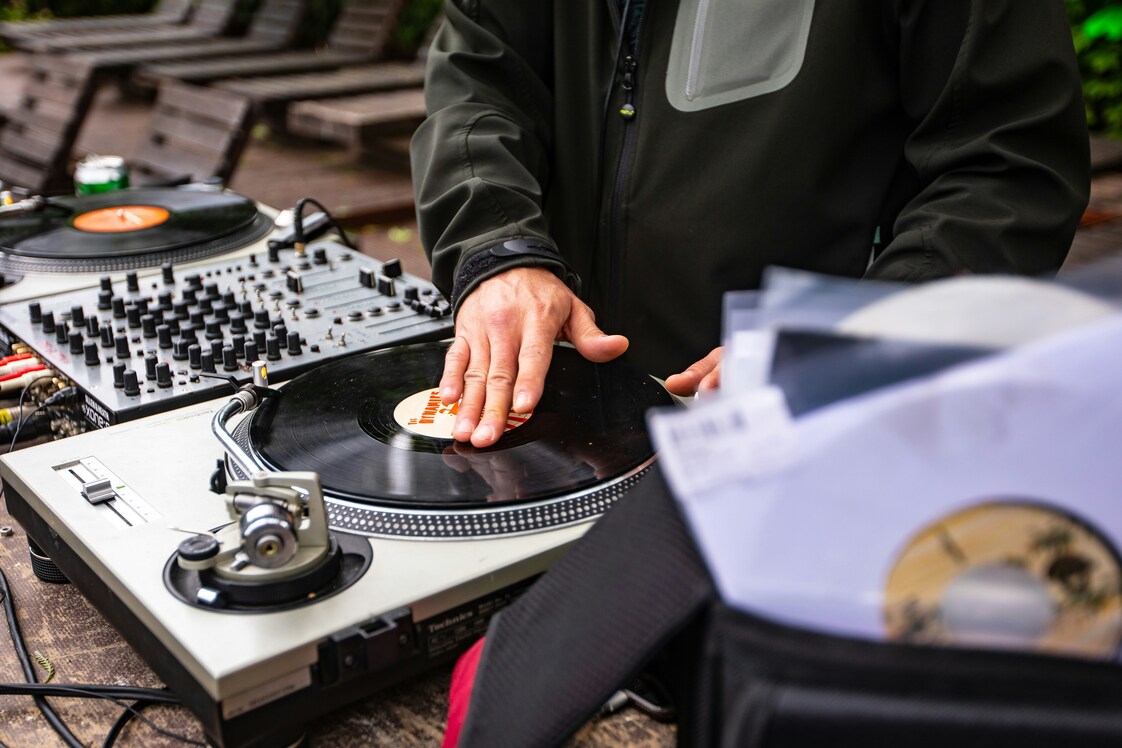
Turntables: the tried and trusted turntables are the Technics SL1200 and SL1210, iconic among vinyl enthusiasts. They are likely to be what you'll be faced with when playing out due to their build quality and reliability. Cheaper options are available from a variety of different brands including Numark, Gemini and more.
DJ Controller: A DJ Controller can be an inexpensive entry point into DJing. Remember, you will often need to use this alongside DJ software such as Serato or Rekordbox.
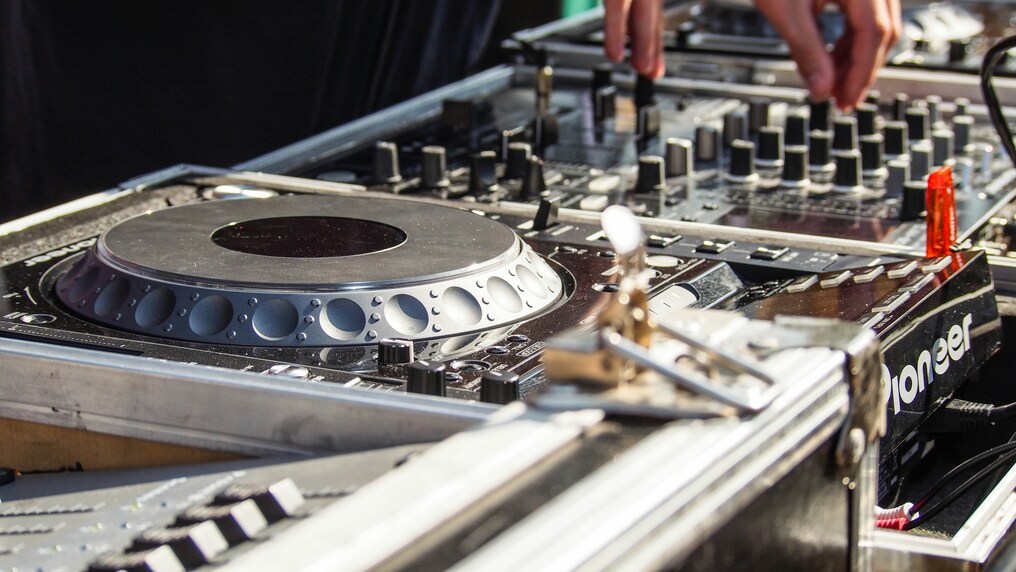
CDJs: Many clubs will feature CDJs with the Pioneer CDJ-3000s the industry standard. They are renowned for their durability and how they enable DJs to professionally mix.
Experiment with different DJing techniques
The job of the DJ is usually to provide a soundtrack to a club night where the music progresses seamlessly in one continuous and hopefully thrilling and engaging flow.
Different techniques can be used to achieve this, including:
Beatmatching: This is the foundation of DJing, ensuring the tempo of two tracks align perfectly to create a smooth transition.
Mixing: This involves blending two tracks together, adjusting the fader and EQ (equalization) to create a seamless transition between them.
Transitions: This refers to the art of smoothly moving between tracks, using techniques like fades, loops, and scratching. It is possible to move between tracks without beatmatching - but you will need to be adept at fading out tracks to ensure your mix is as smooth as possible to avoid losing the vibe in the room.
Create an online presence
As with music artists, if you want to source gigs and connect with other DJs, producers and promoters, then an online presence can be an essential part of progressing your DJ skills.
Choose the platform you feel most comfortable with such as Instagram or Facebook, then start fleshing this out with details about you, your DJ name, content on your favourite artist or top tunes. Once you feel confident, this can be developed with behind the scenes video, live streams, links to mixes and event posters and more.
You can then gradually start building up your online presence with an engaging content strategy to widen your reach and build your audience.
Network within the local scene
Networking online can raise your profile but immersing yourself within the local scene can be invaluable when looking for DJ gigs.
How do you do this? The most effective ways are to attend events and club night, meet up with other local DJs, share tips, hints and tunes as you never know where your next gig might come from. You can also balance these 'real life' connections by supporting online, so post or share details about your favourite local nights or clubs.
A local scene or electronic music community needs different participants and remember you are working together to raise this up rather than competing against each other."
Be willing to listen to what others DJs have to say as well as talk about your own ambitions and musical loves.
Do your research before approaching venues or DJs
If you are actively promoting your skills as a DJ to source your first gig or run your own night, then do your research into different venues, promoters and parties before putting yourself out there. You should work out where you and your music could be a suitable fit before introducing yourself/connecting with a venue. There's clearly no point in reaching out to a rock venue when you are a house or techno DJ. Networking and connecting also needs to feel mutually beneficial.
Create your own remixes, productions and edits
Are you a music producer as well as a DJ? Perhaps you run your own record label and produce music? This does not apply to everyone but many other DJs also work in the studio and treat their sets as a way to showcase their production skills as well as their mixing abilities. Creating mash-up remixes, edits or a few mixes can help increase likes and followers especially on social media music platforms such as Soundcloud or YouTube. Although related, music production is a different skill to playing music as a DJ.
Find out more about our Electronic Music Production degree.
How to prepare for your first DJ gig
Once you have secured your debut gig, then you need to start thinking about how stress-free and successful you want this to be. There are certain ways to prepare ahead of a debut public performance. They include:
Select your tunes - but be flexible too
To prevent nerves and having too much to think about in the moment, you should really consider your set and do some pre-planning about what you want to play. It can help to have your first few tunes pre-selected to ease yourself into your set but at the same time, give yourself some freedom too. Once you have warmed up and started to feel comfortable with both the room, equipment and crowd, then you can start to be more creative. This can mean giving yourself some space to be spontaneous with your song selection and respond to the needs of the rooms and the party.
Know where and when you need to be
As with any public appearance or performance, make sure you are familiar with where you need to be, when you need to be there and the travel route you will take to make sure you get to your gig on time.
Also check in with the promoter or party organiser to confirm all of the details in the week leading up to the event. There's clearly nothing worse than putting all the effort into getting a gig, only to arrive on the wrong night or incorrect venue. Being prepared can also reduce any stress or nerves on the night when all you really want to be thinking about is your music and how you're going to play it.
Promote your appearance online and in real life
Once you have the date of your first gig booked and lined up in the diary, then make sure you tell all your friends about it. Do this in real life and on social media.
If you manage to draw a crowd of mates who are really excited to see you, then you will likely be asked back to play again."
Also make sure you have access to any promotional assets for the night that you can share online.
Double check what you need to bring
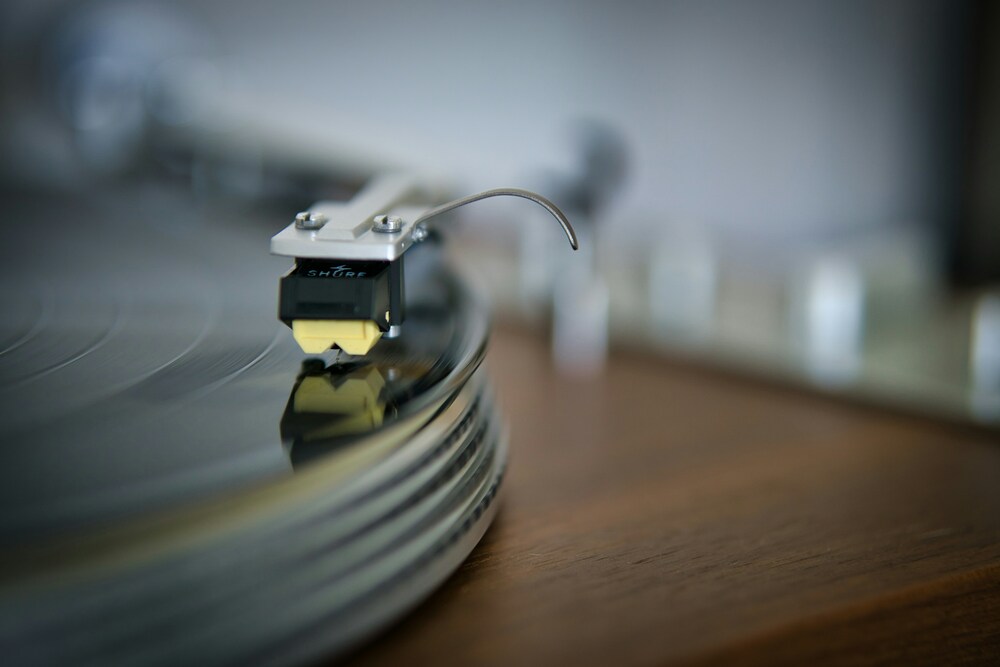
Taking a USB stick? Take two! You don't want one to fail on you or mysteriously not load when you plug it in. How about headphones? Or CDs? And if you're using vinyl, you may want to pack your needles or stylus, just in case the ones in the club sound system are scratched or broken. Dealing with faulty equipment can be a challenge for all DJs, no matter at what point in their career they might be.
Aim to arrive on time and act professionally
This first gig could be the first of many if things go well or according to plan. Even if they don't, then how you handle the situation and adapt in the moment could open more doors in the future for you. The aim is not to burn bridges. Instead, try to arrive at the venue promptly, avoid getting over-excited and work hard to play as best you can. Hopefully this will lead to more gigs and more events!
Take the first steps in your music career with ICMP
We've been developing and delivering contemporary music education for over 40 years – longer than any other music school in the UK. With a proven track-record, countless music industry connections and unrivalled access to facilities, it's easy to see why hundreds of students choose ICMP each year.
To completely immerse yourself in your music career, chat with our friendly Admissions Team via email enquiries@icmp.ac.uk or give them a call on 020 7328 0222.
Find your course
We've been developing and delivering contemporary music education for over 40 years – longer than any other music school in the UK. With a proven track-record, countless music industry connections and unrivalled access to facilities, it's easy to see why hundreds of students choose ICMP each year.
To completely immerse yourself in your music career, chat with our friendly Admissions Team via email enquiries@icmp.ac.uk or give them a call on 020 7328 0222.